Experts have derided it as incoherent and authoritarian. The alleged goal is to protect children, but the approach is so broad it ends up undermining the very freedoms it claims to defend.
What does the Act do?
It creates a new “duty of care” on all online services to police user content. This means:
Platforms must proactively detect and remove "illegal" and "harmful" content.
Age verification to block under-18s from adult material.
Private messaging apps must scan messages for banned content.
WhatsApp and Signal warn this poses an unprecedented threat to encryption and privacy.
The Act pressures encrypted apps like WhatsApp and Signal to monitor user chats for illegal content, which experts say could require breaking end-to-end encryption.
Ofcom claims it won’t enforce this immediately, but the legal power remains. A backdoor to your private messages is now on the table.
Age checks and the death of anonymity
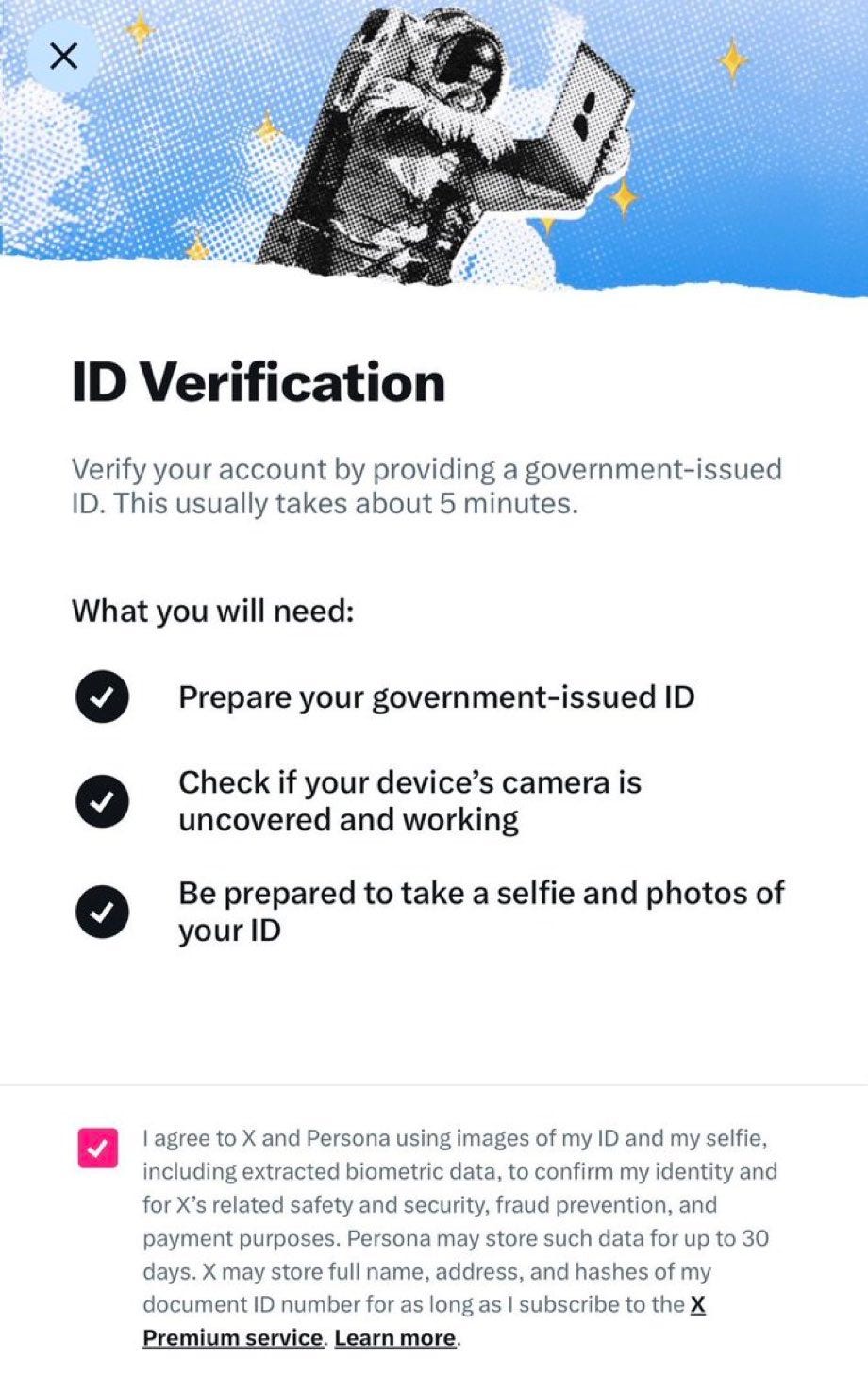
Any site with adult content must now implement "highly effective" age verification. That means:
Face scans
Government IDs
Credit card checks
This applies far beyond just porn to any user-generated platform. A hacked database of verified users? A privacy nightmare waiting to happen. Anonymity online is under serious threat.
Where it applies
The net is cast wide. This isn’t just about Big Tech. The law covers any site that allows users to share or interact. That includes forums, messaging apps, cloud services, open-source platforms, and Wikipedia (Wikimedia has already launched a legal challenge).
As a matter of fact, it also includes The Norse Warrior.
Will it make the internet “safer”?
No. Criminals will use VPNs, encrypted tools, and the dark web. The Act does nothing to stop that. Meanwhile, everyone else will be surveilled, censored, and blocked. A UK survey of IT professionals found just 14% believe the law is fit for purpose.
Censorship and Chilled Speech
The Act pressures platforms to delete “harmful” content, even if legal, leading to automated takedowns of art, satire, or dissent. New offenses for “serious psychological harm” risk criminalizing heated debates. Platforms will over-censor to avoid fines, stifling free speech.
State control of speech
Ofcom can now order takedowns or block entire websites for non-compliance. The Secretary of State can shape what content is prioritised or suppressed. The UK government now has indirect control over online speech.
A global precedent
If Britain normalises this level of online control, others will follow. Other western countries will copy it. Digital rights groups warn it is a "blueprint for repression." It’s a tale as old as time: invading our privacy under the pretense that it’s for our safety.