Pine bark is rich in polyphenols, plant compounds with antioxidant properties. Today, the extract is used as a dietary supplement for the heart, blood vessels and inflammation, and research points to small improvements in blood pressure, blood sugar and bad cholesterol.
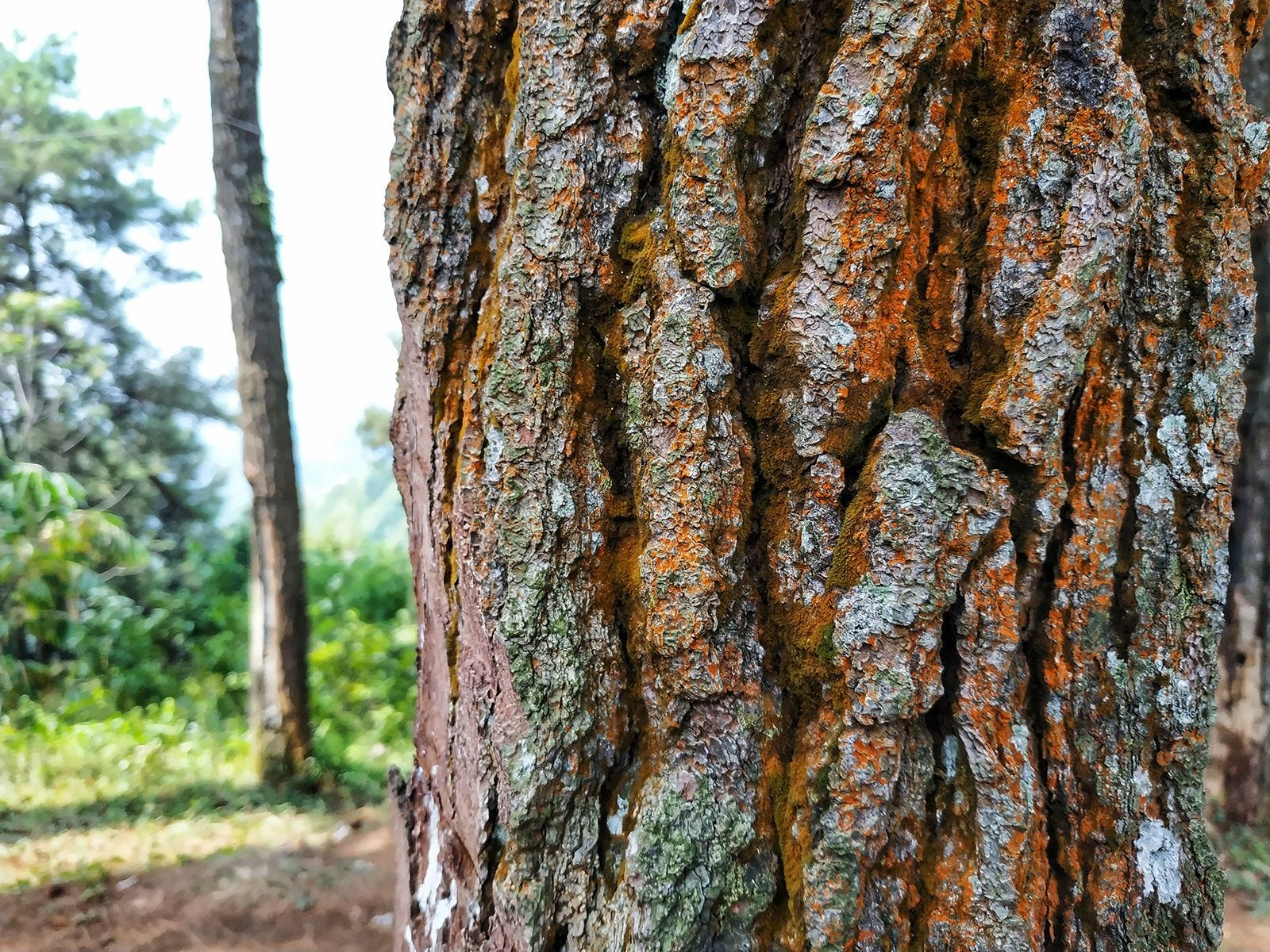
The word pine may bring to mind needles and resin in Swedish forests. Pine bark extract, however, is made from the bark, not the needles.
The name covers extracts from several different pine species. The best known, Pycnogenol, comes from French maritime pine, which grows along France’s southwestern coast.
The bark contains plenty of procyanidins. They belong to the polyphenols, a large family of natural compounds produced by plants. Polyphenols can neutralize free radicals, reactive molecules that can otherwise damage the body’s cells. That is what is meant by antioxidant properties.
These compounds are far from unique to pine bark. We consume polyphenols every day in everyday foods such as berries, apples, tea and cocoa. Each plant has its own mix, so a cup of tea and a handful of berries do not provide the same compounds.
Used since ancient times
Pine bark has been used as medicine since ancient times. Its use is mentioned as far back as the time of the Greek physician Hippocrates, around 400 BC.
Over time, bark from various pine species was used in many parts of the world, primarily for two purposes: to reduce inflammation and help wounds heal.
What is pine bark extract used for?
Today, things look different. The bark has become a dietary supplement in the form of capsules, powders or tablets, and the extract is used to support heart and blood vessel health and reduce inflammation.
The heart and blood vessels are also the most extensively studied areas. A 2025 review of 27 studies, most of which focused on Pycnogenol, shows that blood pressure fell slightly in those who took the extract. Blood sugar and LDL, the so-called bad cholesterol, also declined a little.
The changes are small, and whether the extract can protect against heart attack or stroke is unknown.
The extract also appeals to people for more everyday reasons: heavy legs, dry skin, and women’s symptoms related to menstruation and menopause. In men, it has been tested for erectile problems, usually in combination with the amino acid L-arginine.
Take the legs first. Veins are the blood vessels that carry blood back up to the heart. If they cannot keep up with the task, blood stays in the legs longer, which can make them feel heavy and swollen, especially toward evening.
Not all leg swelling is caused by the veins. For that particular type of circulation problem, however, the extract has been tested in small studies, and those who took it felt that their legs were lighter and less swollen.
Skin and women’s health
As we age, skin becomes drier and loses elasticity. That is precisely where pine bark extract has drawn interest.
In a small study, postmenopausal women took Pycnogenol for twelve weeks. Afterward, their skin was more hydrated and more elastic.
Dark spots and skin redness have also been studied, with some promising results. The extract is not, however, a rejuvenation treatment or a sunscreen.
Menstrual cramps and menopausal symptoms are also among its uses. In studies, women going through menopause have reported fewer hot flashes, better sleep and less fatigue. Those who took the extract for menstrual cramps were able to get by with fewer painkillers.
Joints are also on the list. For osteoarthritis, the wear and tear on joints that often affects the knees and hips, some studies have reported less stiffness and pain. Other reviews have found no clear evidence of pain relief.
The extract has been tested for memory in older adults, with signs of slightly better working memory. It has also been proposed as a remedy for hay fever. In one study, people with pollen allergies had fewer nasal and eye symptoms when they started taking the extract a few weeks before pollen season. It does not replace allergy medication.
Things to keep in mind
Anyone taking blood thinners or medications that inhibit platelets should talk to their doctor before using pine bark extract. The combination can increase the risk of bleeding.
If you are allergic to pine bark, avoid it entirely.
All products with Yggdrasil formula available at SØNNUNGR contain pine bark extract and essential oils.